

FISHIT®

Rotor Aqua delivers innovative systems for collection, transport and dewatering of biowaste from aquaculture facilities. Enabling capture and separation of up to 80% of Fishit®.

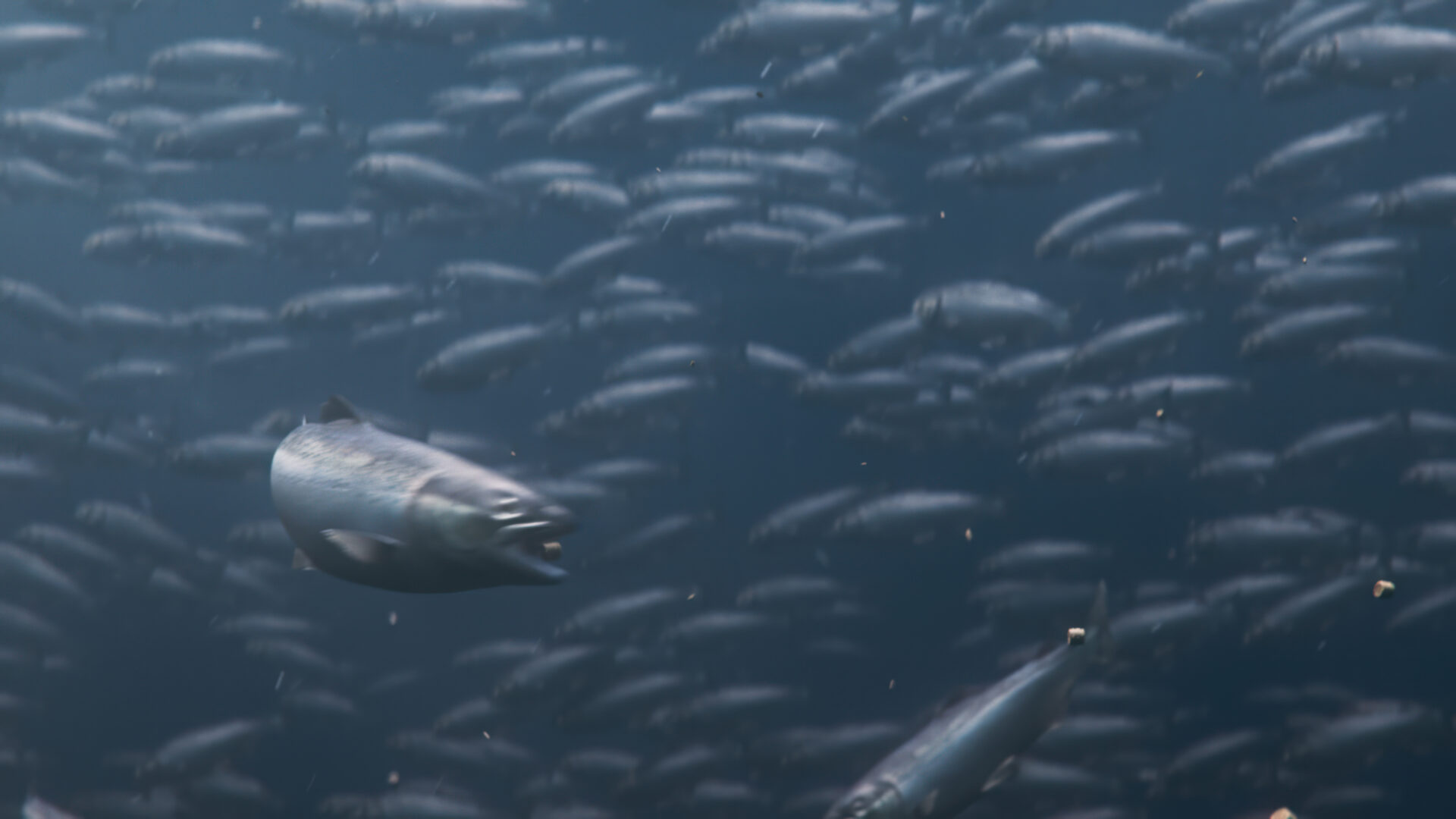
Fishit® is a modular, scalable solution that captures fish faeces and excess feed directly at source – enabling cleaner operations, simplified waste handling and reduced environmental impact.

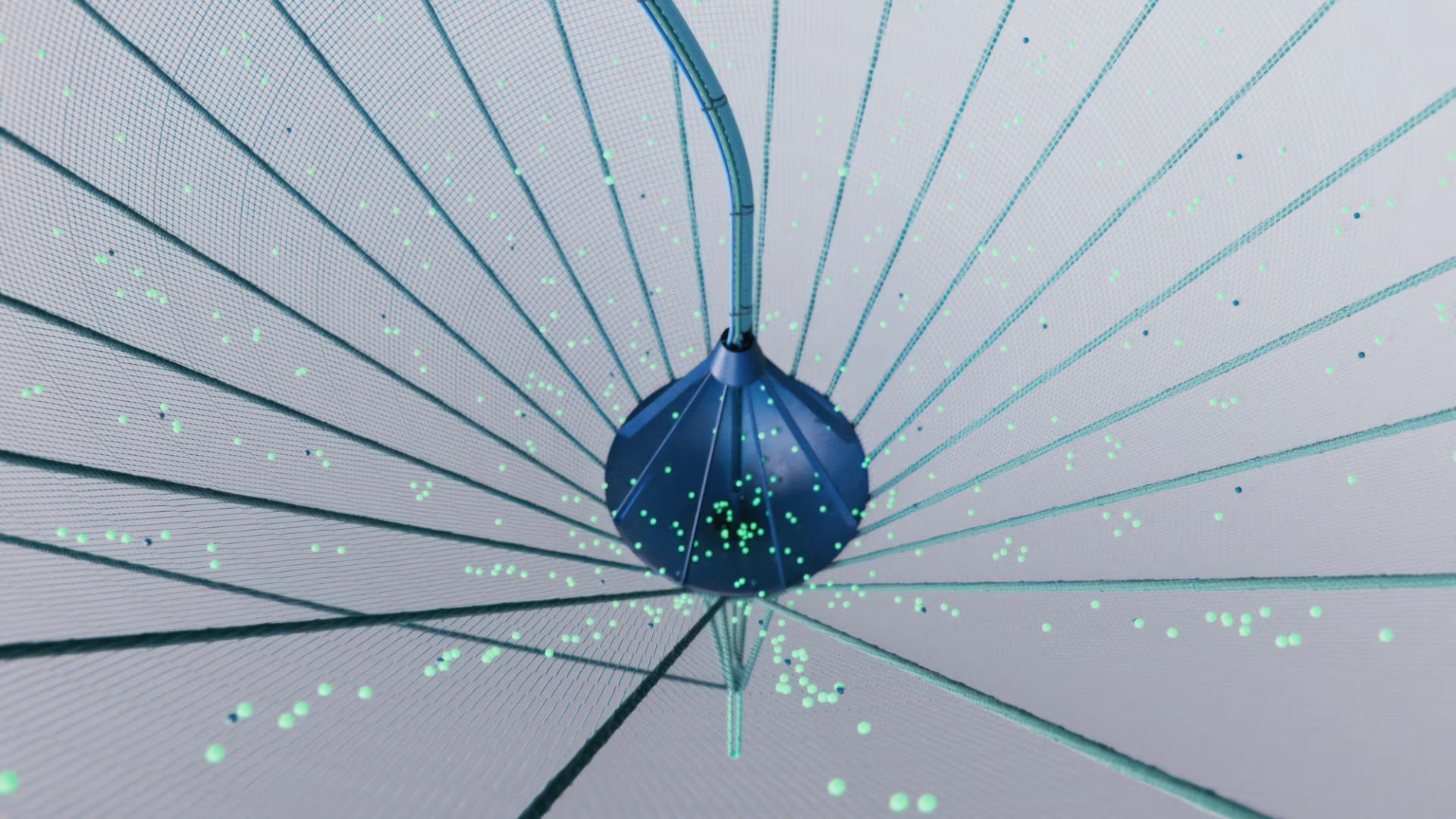
Fishit® is a patent pending technology designed to collect and transport biowaste from fish farming installations.

The system is developed to operate gently and efficiently, preserving the integrity of faeces and uneaten feed particles while minimizing water content and reducing the complexity of downstream separation and transport.

Fishit® offers a cleaner, safer and more resource-efficient solution for modern aquaculture operations by handling biowaste separately from dead fish.

Products and Systems

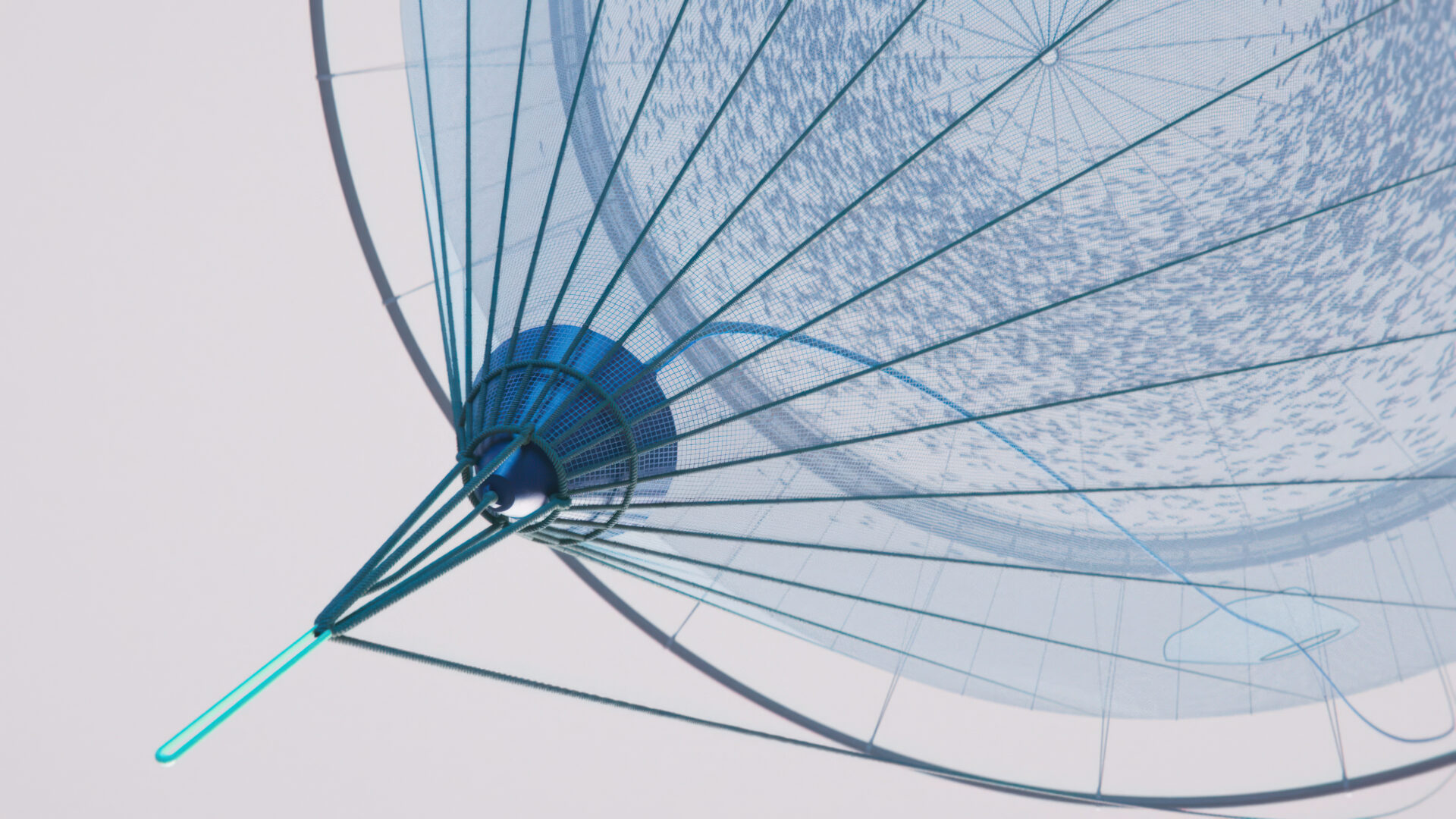
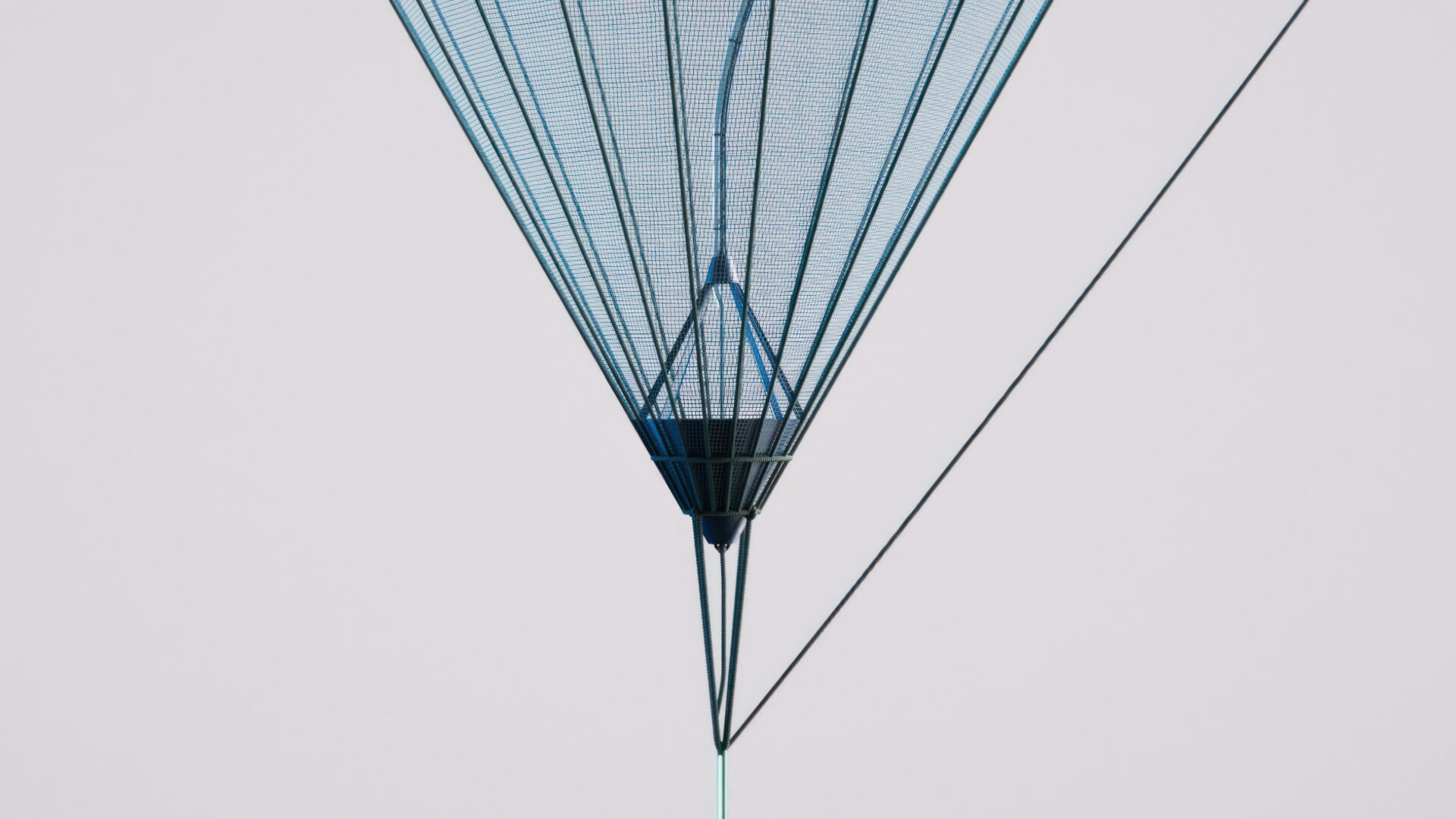
The biowaste collection pot is typically installed at the bottom of a collect net, closed cage or RAS system, where feces and excess feed naturally settle. Waste is gently transferred from the biowaste pot to discharge line(s) by Rotor Aqua’s proprietary pumping system.

Biowaste Pot

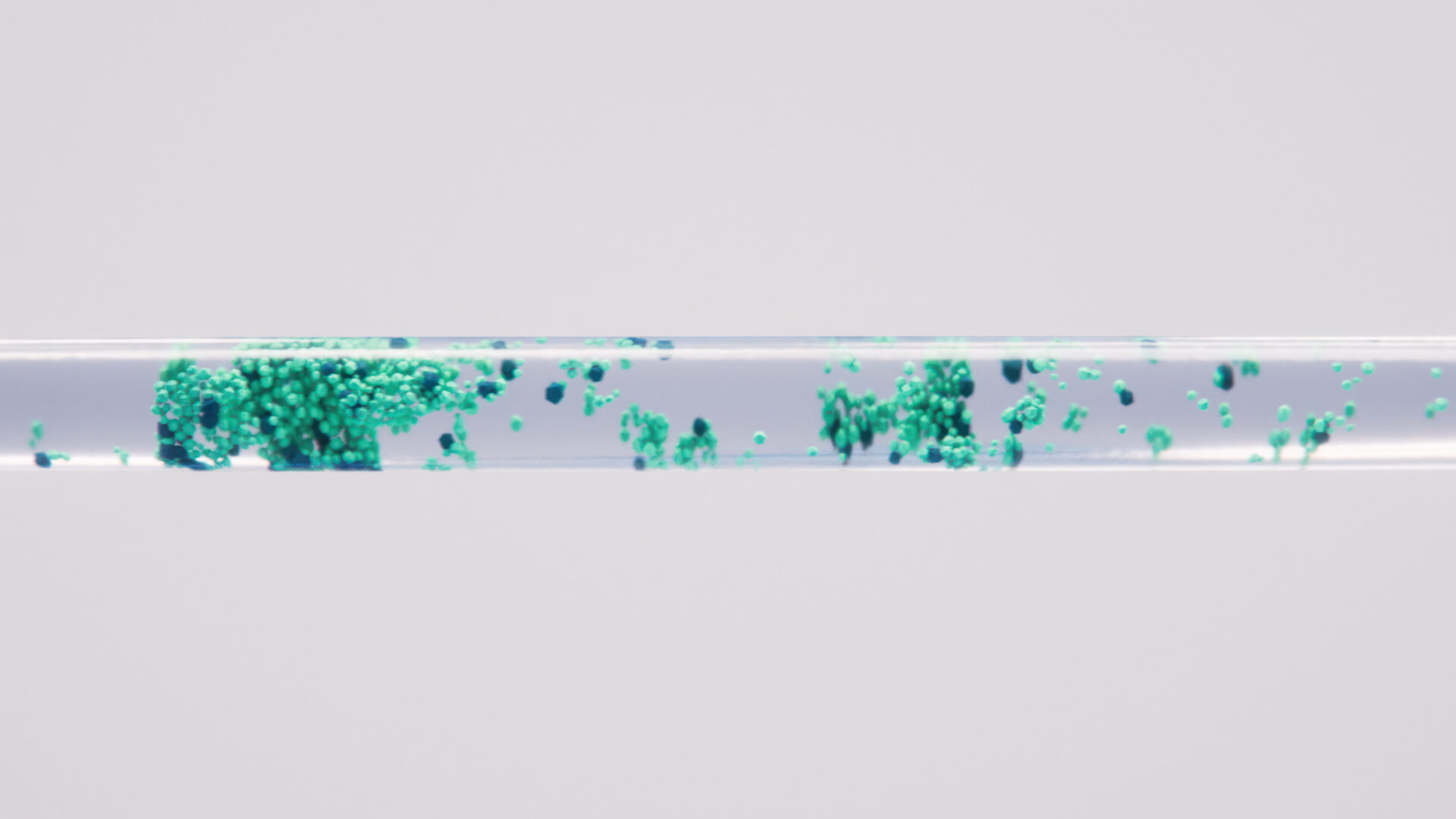
A filter belt system separates solids (feed and feces) from seawaterSize and number of filter belts is selected to handle the expected amounts of waste with sufficient redundancy.

Separation & Processing

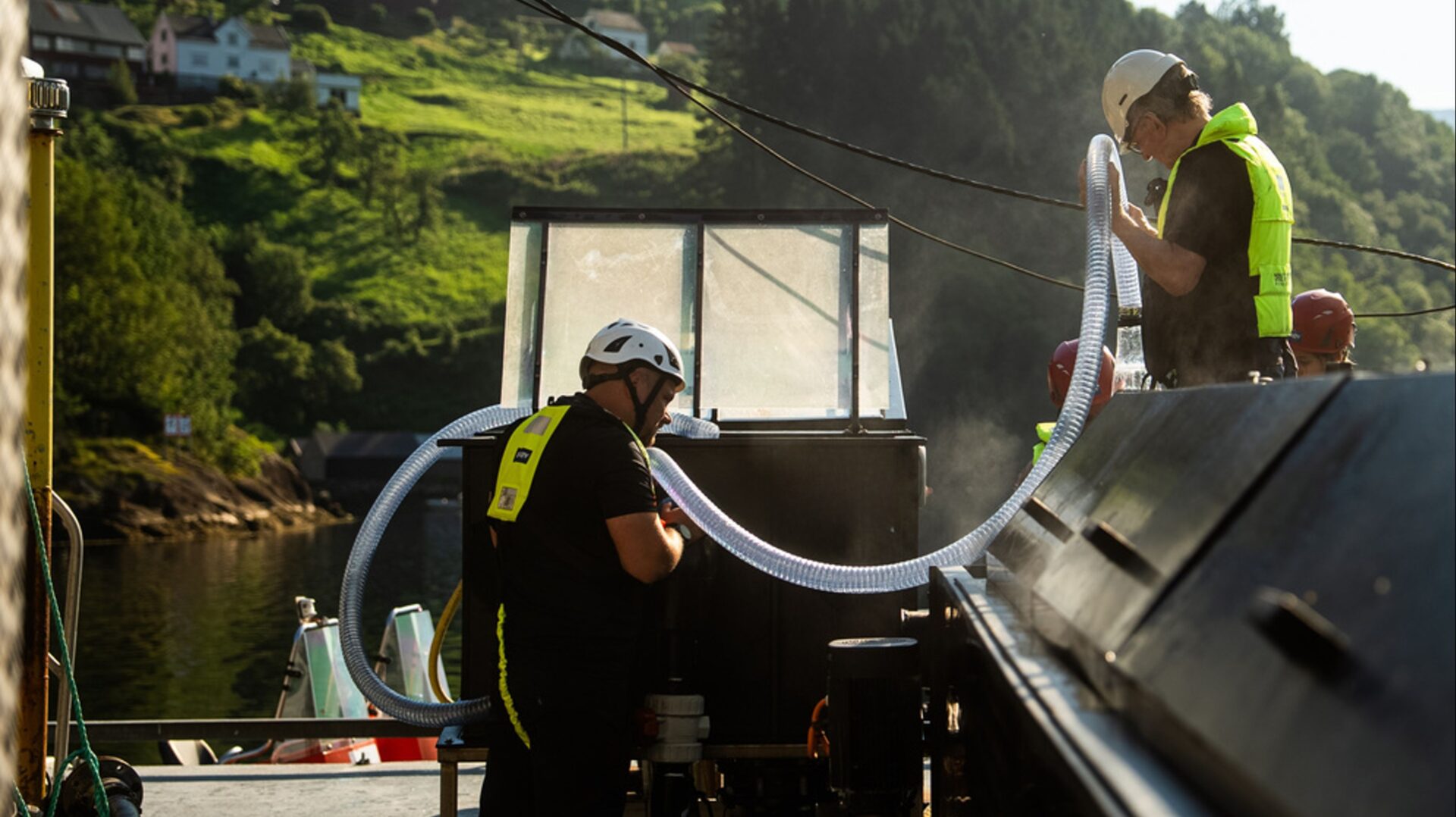
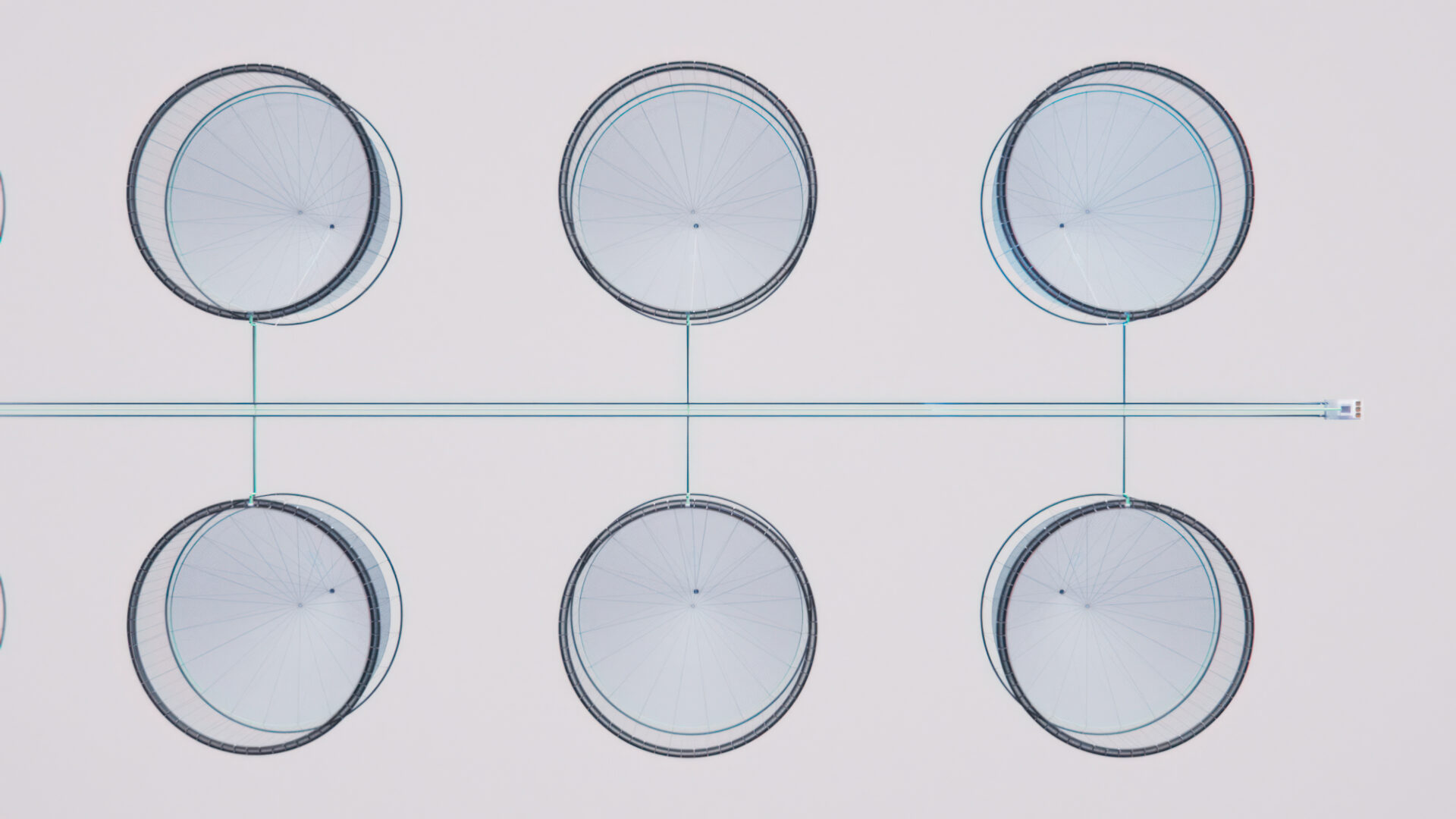
The biowaste pots are connected to pump station(s) as required with integrated control, centrally operated from the feed barge. Number of pumping stations and location depends on the type and size of the fish farming system. Enclosed pumping stations for all types of environments are available as well as stations for indoor/enclosed locations.

Pumping Systems

The Fishit® control system continuously monitors and manages all components in the entire system, from collection point to separation.

Control & Monitoring System

Contact our team

CEO

Eskil Hansen

CTO

Stein Ole Onsøyen

The hidden potential in aquaculture waste

In 2024, global fish farming produced 1.665 billion kilograms of fish, and an estimated 3.196 billion kilograms of bio-waste containing valuable nutrients.

In Norway alone, aquaculture generated 800 billion kilograms of bio-waste in a single year. What is currently treated as a cost and compliance challenge represents one of the industry’s greatest opportunities.


Increasing pressure on fish farmers

Today’s fish farmers must balance growth with stricter environmental regulations.
Waste accumulation forces pen relocation, reduces operational flexibility, and increases costs. Existing waste-capture systems are often heavy, inefficient, and expensive, and many create excessive sludge volumes that drive complex and costly logistics.


From waste to value with Fishit®

Fishit® biowaste collection  can turn organic waste into a valuable resource.

For full scale facilities at peak biomass, the amounts and value of recoverable nutrients are substantial if recovered.

Instead of losing these resources to the surroundings, Fishit® enables efficient capturing and storage. A stable and reliable supply of biowaste from fish farming potentially enables a future downstream value chain .

Why choose FISHIT®

Up to 89 % less water content before drying
Up to 90 % reduced 
energy consumption compared with existing systems
Up to 80 % separation of feces from feed (potential reuse)
Residual feed is separated from feces, de-watered to more than 60% dry matter, making big-bags possible as transport medium


Turnkey Fishit® System

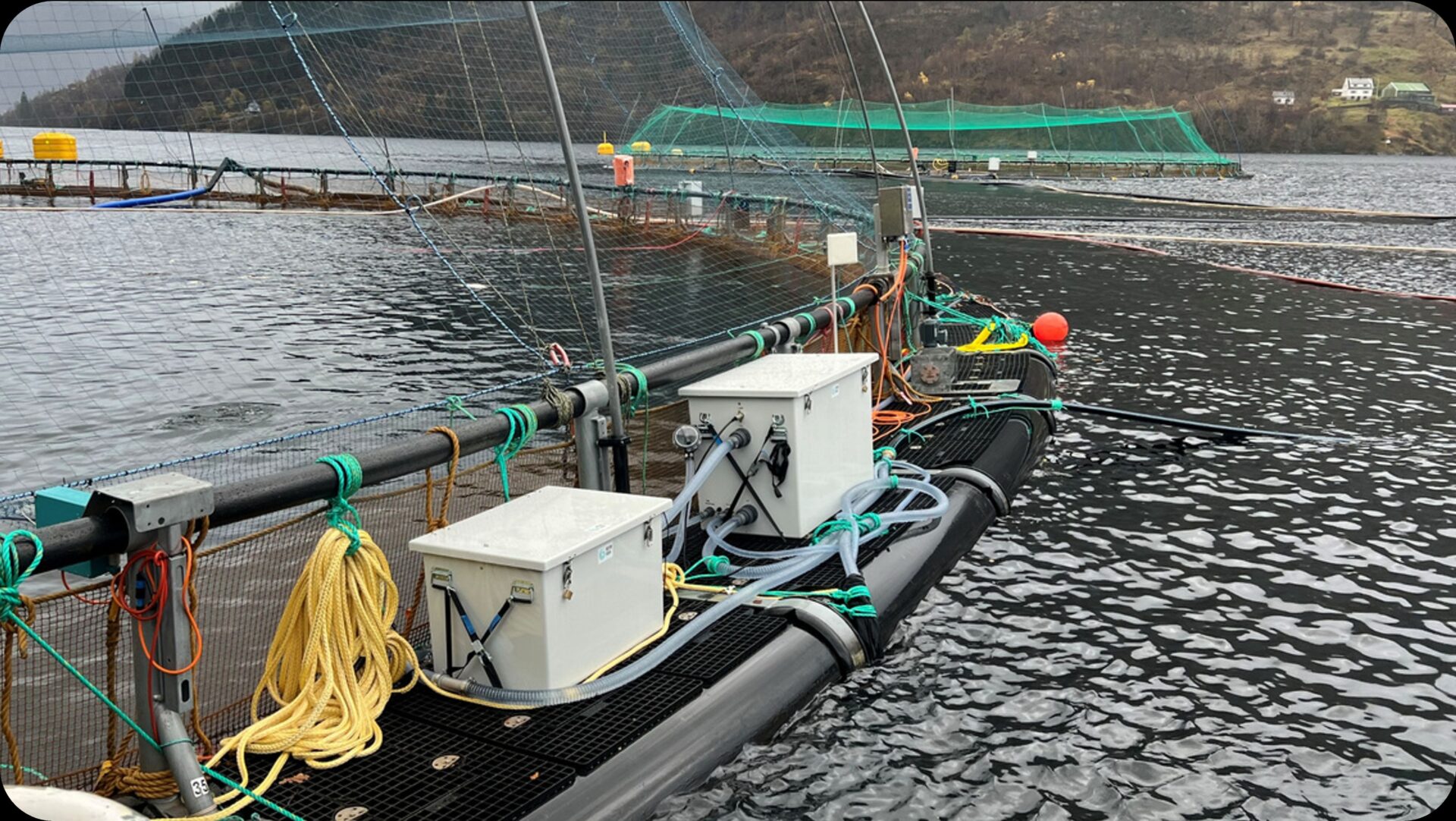
Fishit® systems are delivered as  complete, ready-to-operate systems. All components are engineered to 
work seamlessly together as a system on a 24/7 basis with remote monitoring and control.
Modular & Scalable Design

The system is modular and scalable.From single cages to multi-cage facilities, closed systems and RAS systems. Capacity and configuration is easily adapted to local conditions, feeding strategies and regulatory requirements.
Full scale tested throughout 2025

Fishit® has been developed and validated through full-scale testing in operational fish farms throughout 2025.
Continuous operation, low energy use and reliable performance has been proven in real marine environments.